because C128 / C128D, C16 and even Vic-20 were all Commadore compatible. [/quote]
But not with each other.
Well, technically , it’s:
Hi-Toro
Hi-Toro renamed Amiga Corporation
Amiga Corporation acquired by Commodore
Amiga Corporation renamed Commodore Amiga Inc, subsidiary of Commodore
Commodore goes Chapter 11 bankrupt
Commodore sold to Escom
Escom create Amiga Technologies, subsidiary of Escom
Escom goes bankrupt
Commodore and Amiga assets sold to Gateway 2000
Gateway 2000 renamed Gateway
Gateway license the Amiga IP and patents until their expiry to a newly formed Amiga Inc subsidiary
Gateway shutters Amiga Inc
Amiga Inc sold to Amino Development
Amino Development renamed Amiga Inc
Amiga Inc sell the copyrights and trademarks to Cloanto and license the AmigaOS to Hyperion Entertainment
… and AROS, MorphOS and some legal disputes and insolvency scares aside, that’s how things sit at the moment. So the Amiga Inc. you’re referring to is quite far removed from that original bunch of hardware hackers in Santa Clara.
Note that Hyperion don’t actually sell or manufacture AmigaOne systems, that’s done by licensees like Acube and A-Eon.
bobsobol:
Through one method or another (there is conflicting historical evidence, depending who you ask) the original Amiga Inc. was almost split between Commadore and Atari after the original / prototype A1000 was being shrunk into an all-in-one, and they needed funding to get it where it deserved to be. The A500 (the result of that) looked like it would be an Atari, but they didn’t want to buy the company, just the machine. I think they did end up with a couple of the key staff before Commadore took them on as a whole, and made the actual A500.
Not sure where you’re getting this from [citation needed], but the well-known history of the Amiga starts with Jay Miner (ex-Atari) hooking up with Larry Kaplan (ex-Atari) to form Hi-Toro in 1982, where the Lorraine, later Amiga, would be developed. They changed the name of the company to Amiga Incorporated the same year. By 1984 they had some kick-ass hardware, but no large company to fund and incubate the system into a final product.
Eventually, Atari loaned Amiga half a million dollars for thirty days as an effective down payment to keep Amiga alive against a future stock and IP deal, but Atari were really only interested in the Agnes + Denise + Paula chipset, which led Jay Miner and co to start looking at alternative funding, as they couldn’t really afford to pay the loan back . At the same time, Jack Tramiel left Commodore, taking engineering employees with him, and proceeded to buy out Atari from Warner Bros, finds the Atari/Amiga deal, and sued the shit out of Amiga.
Commodore were really the white knight at this point, seeing the potential not only in the chipset but in the Amiga team as well, paying off the Atari loan and purchasing Amiga Incorporated. Commodore renamed the company Commodore Amiga Incorporated, funneled cash into the now-subsidiary company to further develop the Amiga chipset and computer, and this led to the development of what became the Amiga 1000.
The “all-in-one” model, the Amiga 500, wasn’t released until almost two years later, in 1987, and in fact the Amiga 2000 was released two months before the 500.
This is a pretty well told tale, and I’m not sure where your alternate take comes from.
bobsobol:
The point is, while the custom chip thing looks like a Commadore idea, it was actually more closely related to Sega / Atari 2800 type systems, and the PAD coppers existed in the A1000 before Commadore had anything to do with the machine, or the company that designed it.
The 2600 does owe some debt to Jay Miner, but not in it’s design, just in it’s final implementation. He was definitely responsible for the 400 and 800 at Atari.
But without Commodore, the Amiga would be a small footnote in history, a chipset designed for Atari, by some ex-Atari guys, which Atari then didn’t want.
Well, yeah. But not really.
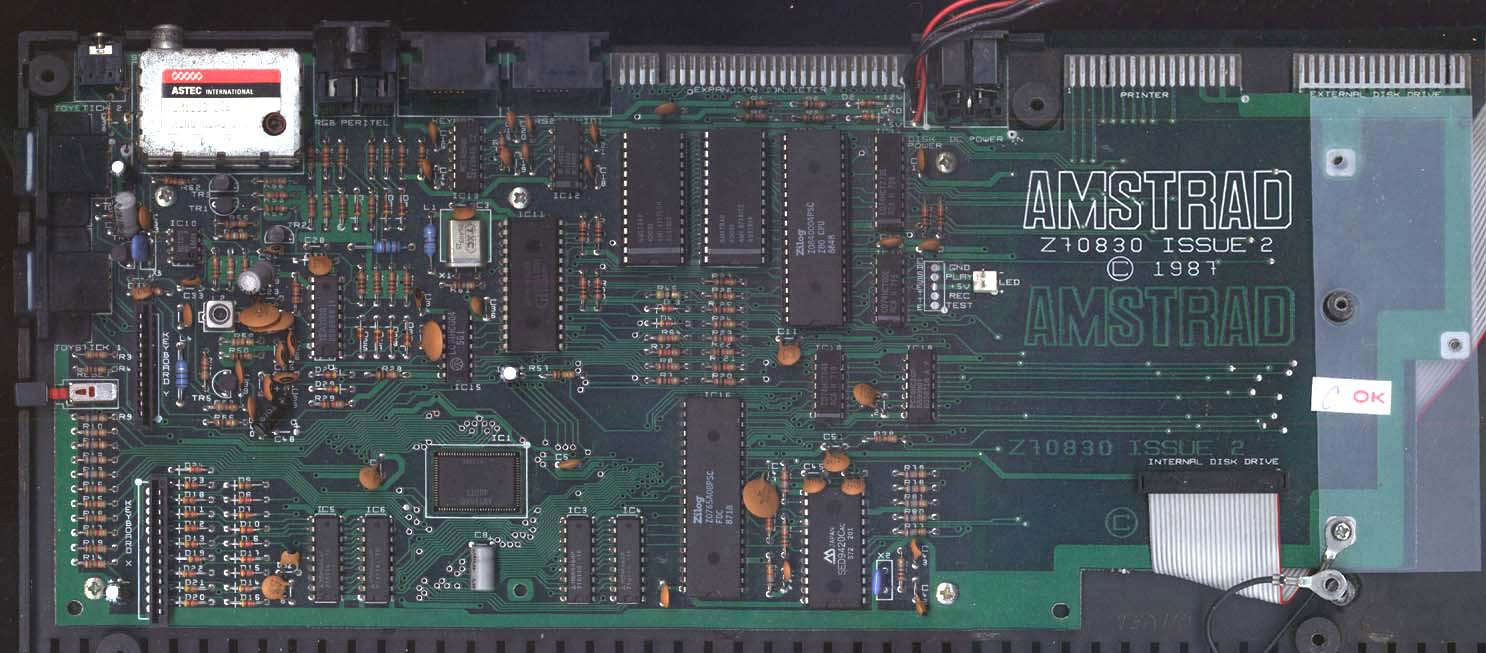
[quote=“bobsobol, post:27, topic:11214, full:true”]Perhaps, you should think of it like you wouldn’t consider your Specturm +3 to be an Amstrad. It’s not a CPC, and not a PCW, Amstrad did very little besides put a decent keyboard on it and build a 3" disc drive into it.